Posts

Showing posts with the label Web Service

How to Fix the SSLProtocolException: handshake alert

You might have probably encountered the following error when invoking a web service over HTTPs transport using SoapRequestReply activity. "javax.net.ssl.SSLProtocolException: handshake alert:  unrecognized_name" This could be a weird error especially if you know that the client certificates are valid, and you have installed the complete certificate chain in your keystore. In order to resolve this, you need to add the following property in the application .TRA file. java.property.jsse.enableSNIExtension=false I don't have an exact explanation for the root cause of this error, but I believe this is brought about by one of the the security enhancements in Java SE 7. "Server Name Indication (SNI) for JSSE client: The Java SE 7 release supports the Server Name Indication (SNI) extension in the JSSE client. SNI is described in RFC4366. This enables TLS clients to connect to virtual servers."
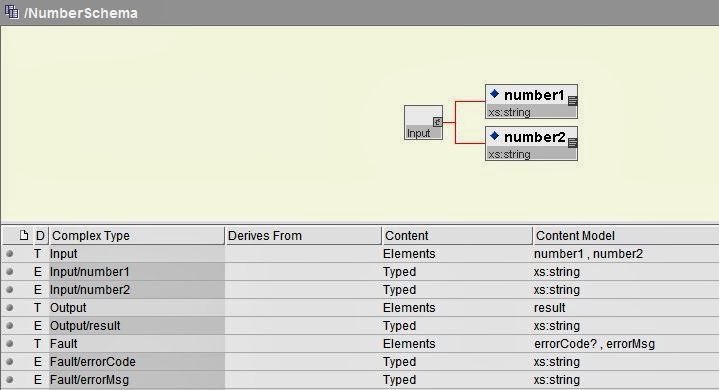
Creating Web Services in TIBCO

Image
Web service is a standard and reliable way of communication between two applications over the Internet. It is a secure way of exposing functions that a client application can use without revealing the internal mechanism of the providing application. For example, you want to get a list of all items from a store which have a name that starts with letter A. You send a request to the providing application specifying the operation and you get a response that is the list of all items. You are not certain whether the records came from a file, a database, or another cloud application. As long as you correctly specify the request in the format expected by the provider, the rest of the details are unknown to you. This is how the exchange of information works with web services. A protocol agreed by both the provider and the client needs to be established. The protocol is the set of rules the caller of the web service needs to follow in order to invoke the web service successfully. Most common of...

Enabling LDAP Authentication in TIBCO Web Service

You can enable basic authentication in a Service configuration resource by checking Use Basic Authentication under Endpoint Bindings tab. This will require username and password every time the web service is invoked. If you want to authenticate against an LDAP server, you can enable the BW engine to use Java Authentication and Authorization Service (JAAS) LDAP Login Module. You can create an LDAP group and authorize all users belonging to that group to have access to your web service. To do this, you have to add the following engine properties to the TRA file: java.property.com.tibco.bw.security.login.jaas = true java.property.java.security.auth.login.config = <location>/jaas.conf jaas.conf is a configuration file that defines the filtering rules and largely depends on the LDAP language. Sample content is as follows: AuthenticationService { com.sun.security.auth.module.LdapLoginModule REQUIRED userProvider="ldap://myldapserver.com:447/cn=GroupName,ou=groups,o...